When one thinks of the Alps, luxury ski resorts, chalets and gourmet meals may come to mind – but you don’t have to break the bank to visit this stunning region. If you’re strategic about planning, timing and your destination (since some countries are much more expensive than others), there’s no reason one can’t take the affordable mountain holiday of their dreams. From Switzerland to Italy to France, there are innumerable things to see and do that don’t cost a dime – from views to hiking trails, lakes to village streets. This guide will help you save money on entrance fees and excess payments so that you can pay for what truly matters and make your journey more about the experience and less about the expenses.
Different Regions of the Alps Cost More Than Others, But Not All Compromise Beauty
Some places within the Alps are far more expensive than others. Switzerland boasts breathtaking views and is the most expensive, however, the more touristy towns like Zermatt or St. Moritz tend to cost the most. Comparatively, tourists could venture just next door into Austria, Slovenia or Italy and have an equally beautiful experience for much less. Transportation from DIA to Vail is often used as a comparison when discussing how destination popularity can drive up costs, even when nearby regions offer similar scenery at lower prices. Regions of Tyrol boast impressive mountains, reasonably priced lodges and guesthouses, and handy public transport. Slovenia’s Julian Alps have emerald rivers and mountainous peaks and quaint villages which all come at lower price points. Furthermore, Northern Italy from the Dolomites to South Tyrol boast varied scenery, different types of cuisine and culture without breaking the bank in Swiss tourist towns. It’s easy to have a beautiful view without emptying one’s wallet.
Shoulder Seasons To Save Money on Off-Season Rates
Shoulder seasons are key to saving money in the Alps. Shoulder seasons are late spring (May and June) and early fall (September and October). These timeframes boast price reductions compared to summer and winter peak travel times, offer fewer tourist crowds in hotels and restaurants and still maintain temperate weather for pleasurable hiking and sightseeing. In the spring, meadows bloom with flowers while less foot traffic can facilitate enjoying the views. By fall, the vistas boast golden landscapes with similarly temperate weather. Although trains, lifts, and cable cars may not run as frequently during these times, the savings and less hectic presence is worth it during these shoulders times where pretty much everyone else is back in school or working.
Guesthouses/BnBs/Family-Owned Inns Instead of Resorts
Accommodation is the most expensive part of travel, but there are plenty of options for budget travelers if they know where to look. Family-owned guesthouses, inns and local BnBs are abundant throughout the Alps; hotels that boast family charm at lower prices provide all of the comfort without any of the resort luxury that guests will hardly use. These smaller locations often include breakfast which helps with daily meal costs, some boast kitchens to prepare simple dinners, and as a bonus, staying in these smaller accommodations provides a unique culture experience; the owners often have good tips on lesser-known trails or restaurants they frequented as children which expands an authentic experience. Sometimes comfort is better than luxury, especially when trying to stretch a budget for the most memorable experiences.
Forgoing Rent-a-Car for Public Transportation and Scenic Trains
Renting a car in the Alps can be quite costly; from gas to tolls to parking fees to insurance – but thankfully, the Alps have one of the world’s most efficient (and scenic) public transportation systems. Between trains, buses and cable cars, most villages (even small ones!) are interconnected, making a vehicle unnecessary.
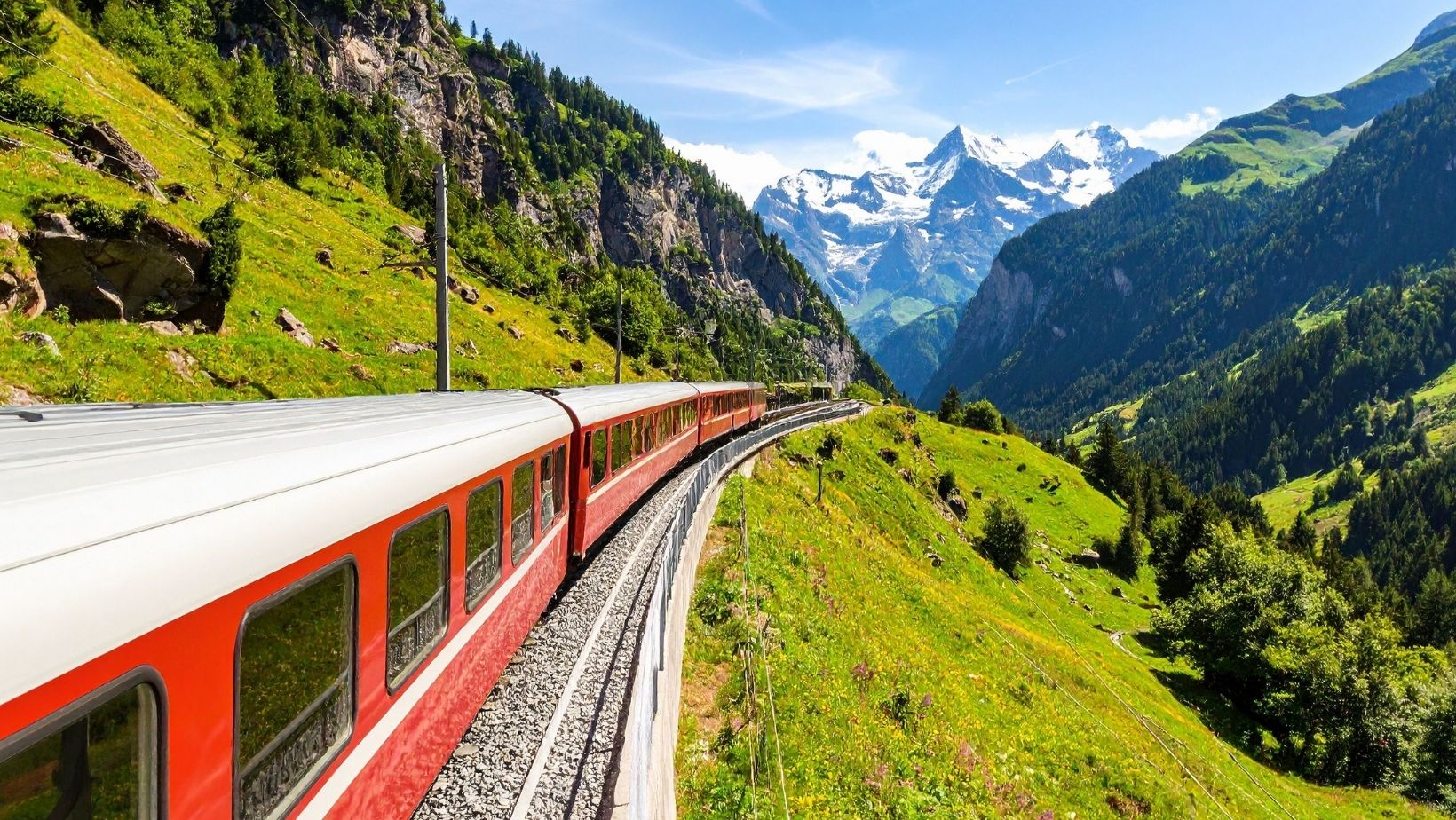
In Switzerland, Austria, and Italy, rail passes offer extensive savings for group travels or longer stays, and for some people, scenic train rides – from the Bernina Express to GoldenPass Line – help make transportation as memorable as the destination. Not only will you save money, but you’ll decrease your carbon footprint and soak in the sights without having to drive on potentially treacherous roads.
Dining Like a Local to Save on Food
Spending all your time in restaurants can get expensive while staying in the Alps, but instead of outright skimping on dining experiences, eating like a local can help reduce costs without sacrificing cultural authenticity. Bakeries sell pastries or breakfast sandwiches on the go, while regional markets have cheeses, fruits and cured meats for a great picnic lunch with a view. Many towns have family-run taverns or mountain huts that serve hearty soups, dumplings or pasta dishes for a much lower price than fine dining experiences. Daily specials are often cheaper than à la carte items, which makes trying something new an economic adventure. Furthermore, if you’re renting an apartment or B&B with cooking accommodations, making a few meals at “home” can save a lot and allow you to try regional ingredients.
Engaging in Free Activities That Foster Appreciation for Alpine Natural Beauty
Traveling in the Alps is all about appreciating the beauty of the environment – much of which is free or inexpensive! Hiking is one of the biggest draws – trails that lead to waterfalls, forests and lakes offer free entry, as do scenic viewpoints or picnic spots beside alpine lakes. Exploring towns involves walking through historic village centers, hopping from local market to market and snapping pictures at sunrise or sunset – all of which cost nothing! But even festivals and outdoor concerts during the summer season held by towns are great ways to engage in locally-produced cultural events without spending a dime. This daily focus on nature-based activities will allow travelers to fill their days with no budget cap.
Only Purchase Passes for Lifts and Transport That You Need
There are tons of lifts and cable cars to get you to some amazing viewpoints, but if you’re constantly on the lifts, they add up. Check for multi-day options or a regional ticket that gives you the option to explore enough for a price or at a reduced day ticket. More likely than not they’ll be better than the single-use option. If you’re in a guest card region, there may be free lifts/buses/museum entries available to you but not as reserved as they’re in partnership with hotels. Yet in the offseason, many lifts run at low price or seasonals open at reduced prices. If you’re going to be traveling everywhere, make it a point of the viewpoints that are worth it as opposed to taking every lift.
Experience Wellness In The Alps Without Paying Spa Resort Pricing
Wellness is a huge component of life in the Alps, but it’s very easy to over-budget on spa resorts. Eschew the expensive wellness services and take advantage of public thermal baths and lakeside lounging and forest bathing opportunities instead. Outdoor saunas are scattered throughout towns and budget friendly wellness centers (Austria and Slovenia have more than Switzerland) are an option. Thermal baths in the alpine lakes (free!) are open to wellness opportunities in the summer months when they’re warm enough to swim in. Gentle walks through the forests, yoga spots in meadows and meditative lookout locations provide free wellness options without having to go inside for that calming atmosphere. The scenery is one of the greatest spa experiences in the world – you just have to get outside to appreciate it!
Be Flexible and Adjust To Weather Patterns
The weather in the Alps can shift at a moment’s notice. This can be frustrating when you’ve booked a private experience with all the sun or no precipitation only to find yourself with bad visibility and whiteout conditions. Don’t waste time or money pre-booking everything. Pre-book a few time sensitive excursions and make everything else flexible so that when day-of pivots need to occur – for an inside alternative or rescheduled excursion – you have the time – and funds – to do so without complication. If it’s cloudy, meander around town, check out a market or take a scenic train ride to your next destination instead of paying for something inside that you won’t want to do anyway. When your weather accommodates no-cost alternative plans, you’ve saved a ton!
Travelling the Alps on a Budget is Just as Rewarding and Fulfilling
Travelling the Alps on a budget is just as rewarding and fulfilling as travelling any other way. Travelling on a budget means that locals spend more time with you, alpinists and travelers who would otherwise only engage with tourists. Travelling on a budget means that you utilize public transportation instead of expensive shuttles, more basic hotels instead of resorts and free outdoor experiences instead of ticketed ones. Travelling on a budget means that you have more detailed conversations with farmers and artisans since we delve into histories and purchase personal needs instead of family allowances since tourists never ask for such little but well-intentioned service. Therefore, by travelling on a budget, the Alps get to shine through as they should – tremendously beautiful views, culture and offerings that are free or inexpensive to all.
Use Smaller Villages as Accommodations Instead of Larger Resort Towns
The best way to save money in the Alps is to avoid the major resorts and accommodate yourself in the surrounding smaller towns. The most famous areas – Zermatt, St. Moritz, Chamonix, Cortina d’Ampezzo – are some of the most picturesque; therefore, expensive lodging, food and activities play to their reputation. However, these places are often only a short bus ride or train away from smaller villages with equally beautiful viewpoints that can be accessed for half the cost. Furthermore, accommodations in smaller towns offer more authentic experiences in the evening with smaller towns and more open families. In addition, getting accommodations outside the resort centers encourages exploration instead of limited accessibility – hidden trails, family-run restaurants, craft stores are often found outside but not too far from traveling locations with tourist resorts. Thus, they allow for the same beautiful vistas without paying resort accommodations to stay there.
Pack Well to Avoid Expensive Items You Could Bring From Home
The best part about packing your own suitcase for the Alps is that travelers can bring whatever they’d like – even if they have to pay for it until they return home. The weather in the Alps can be unexpected, which makes it easy to buy additional items once you’re already there – but avoid these expenses at all costs. Pack appropriate clothing and accessories before traveling to the Alps so you won’t need to purchase unnecessary items. Bring layers for warm days, cool nights, waterproof shoes for mountain climbs and convenient items like reusable water bottles, tote bags and travel utensils that minimize daily purchases if you’re not prepared for both outdoor excursions and meals on the go. If you intend to hike, bring your own poles or borrow from a friend before arriving; many countries have exorbitant prices for outdoor gear so it’s best to come equipped for your budget’s sake. At the very least – and if nothing works out in terms of cutting down your packing – any free excursions – hiking, picnicking, viewpoints – can be used without rental fees.
Utilizing Free Cultural Offerings and Village Activities
While admission to many museums and attractions is common, the Alps boast a myriad of cultural experiences for free. Many villages have weekly markets to display artisans’ products, sample local fare and listen to regional musicians – all for free. Access to historic churches with frescoed ceilings dating back hundreds of years, outdoor chapels, and traditional Alpine housing is free of charge to gain cultural appreciation. Many festivals occur throughout the year that features floats, dancing and concerts at no cost. Access to town squares in places like Annecy, Hallstatt or Innsbruck represent cultural appreciation for free. These experiences make travelers realize that town culture is not behind gates that require admission; instead, it exists freely everywhere.
Selecting Multi-Day Hikes or Hut-to-Hut As a Budget Friendly Method of Appreciation
For those more in tune with nature and the outdoors, multi-day hikes and hut-to-hut opportunities are far more cost effective than a hotel stay every night. Alpine huts are maintained within Switzerland, Austria, France, Italy and Slovenia, with a more affordable option than hotels in the most beautiful locations imaginable. Many huts provide meals that are affordable and filling. While this type of accommodation is basic, it allows for sunrises above the valleys, meeting other travelers, and becoming one with mountain life. Multi-day hikes also prevent patrons from needing to pay for transportation as they get to waterfalls, ridgelines, lakes and overlooks that require hiking instead of driving. This means of accommodation and travel celebrates experience over expectations and highlights the beauty of the Alps in the most cost effective way.