
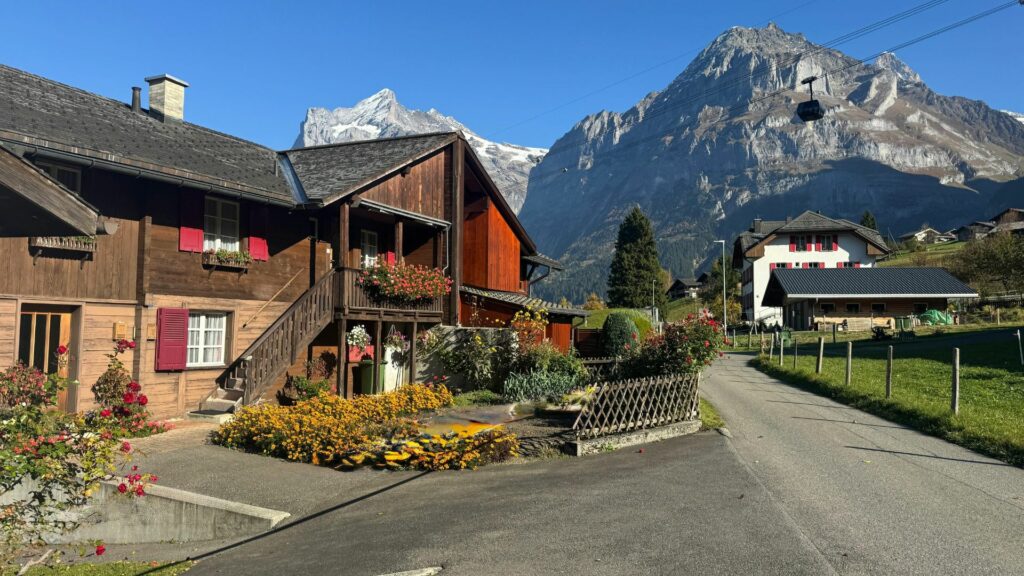
Alpine architecture is one of the most unique and time-honored manifestations of mountain culture. Born of the oftentimes inhospitable terrain, frigid winters, regional resources and centuries of craftsmanship, an Alpine structure tells a story of survival, functionality and artistic identity. From wooden chalets nuzzled in the mountainside to fortified stone farmsteads and quaint, cobbled village avenues, both practical necessity and aesthetic identity shine through in the various stages and uses of construction. Even today, many architects honor the history of the region through modernized interpretations of these time-honored traditions. Thus, this article will outline the history of Alpine architecture and how centuries of a mountain way of life have impacted construction in the Alps.
Early Alpine Architecture – Function-Focused Design
Architecture in the earliest days of the mountains emerged due to long winters, heavy snowfall, and austere conditions. Villages were constructed out of proximity to the materials at hand: stone acquired from river beds, timber from the dense forest nearby, and clay from the valley floor. This implies that stone was used for thick walls, wood for structure, and clay for charm. Geneva to Megève ski shuttle routes are now commonly used by modern travelers to access these historic villages, allowing visitors to experience architecture shaped by centuries of environmental adaptation. Heavy construction prevented shifting walls due to snow, roofs were at an angle to ease pressure from heavy accumulation, and walls faced the sun for maximum light, with designated areas for livestock and away from potential avalanches. Such intentional planning created a motif of effective living in harmony with nature where people would reside for centuries to come.
The Chalet as an Architectural Icon of the Mountains
The quintessential Alpine chalet has become a cultural landmark and is known across the world by its slanted roof, its wooden construction, and its carved balconies. They originated in Switzerland (and later across the mountains) as seasonal farms; as such, herdsmen either cultivated land or lived on livestock perched in the meadows at such altitudes. Thus, they were constructed from timber with heavy insulation and solid foundations. The first floors were made of stones to accommodate livestock and crops; the upper floor was accessible by a staircase with living quarters. Roofs were not only slanted but also extended beyond the walls of the house to prevent snow accumulation from collapsing the structure. Balconies were constructed out of additional woodworking craftsmanship to enhance the exterior appeal. Modern chalets are aligned with this construction process but often added luxury accoutrements. The chalet is a cultural icon of Swiss heritage more broadly connected with mountain life.
Stone Farmhouses and Huts as Regional Styles Adapted to Climate
Where timber is limited – or more difficult weather conditions prevailed – stone construction became the style of choice. Stone farmhouses in France, Italy, and parts of Austria demonstrate thick walls to maintain warmth during frigid winters while keeping indoors cool during warmer months. Often, windows were small (and few) to avoid excess heat loss, ceilings were low (to keep community movements heated), and a central hearth brought all family members together where warmth was consistent. Mountain huts made of stone were vital for those shepherds who worked precariously high in elevation or had trekkers en route to various passes, connecting cities and towns between vertical travel. Today, many stone huts from centuries past are tourist attractions to those hikers who take multi-day excursions. Stone boasts longevity; thus, even the simplest design remains relevant today.
Wood Architecture and the Art of the Alpine Craftsman
The use of wood, both as a structural material and a means of artistic expression, was paramount for buildings across the Alps for generations. A combination of carpentry and wood carving made buildings ornate inside and out – from beams adorned with geometric shapes to balconies embellished with carved flowers. Roofs were often made of wooden shingles split by hand, allowing for decades of water resistance, while interlocking log cabins created stability and thermal mass. Distinct styles emerged in certain regions like South Tyrol and Bavaria, recognizable by slight alterations in type of wood or carving or proportions. Presently, workshops and schools still engage these crafts, meaning artistic traditions are applied to new and historical structures alike in the region.
Organic Village Layouts Based on Climate and Terrain and Community Priorities
Villages did not emerge haphazardly but took on shapes through centuries of organic plans allowing for cultural and practical developments. Homes were built close together to keep warm in cold winters, while narrow streets prevented wind from tearing down the structures. Many villages emerged from squares, churches or fountains that easily became market sites or transient spots for festivals and daily routines. Buildings faced a direction that promoted sunlight access, prevented danger from avalanches, or provided access to meadows. Terraced fields and paths used by livestock extended outwards from the center of villages to connect to agricultural land. This is why many villages today boast idyllic, winding streets – an important part of Alpine living were the expectations of community.
Structures of Antiquity That Were Defensive in Design and Location Across the Alps
The Alps have always been a natural fortress throughout history; architectural development champions the defensive housing designs or lookout towers or stone castles high up on cliff sides in many locations. Intentional with entrances made higher from the ground or reduced size windows to utilize thickness of walls to provide insulation or protection from armies invading, these structures were built to defend families. Entire regions like Valais or Tyrol boast fortified village layouts with buildings connected for additional support and protection. Such antiquities find themselves still standing today, an antiquarian part of architectural development across the region revealing how alpine living was at times at the mercy of man in addition to nature.
Religious Architecture of the Alps Denoting Spirituality
Churches, chapels and shrines permeate the Alpine region, signifying a deep-rooted spirituality. From the intricate frescoes of baroque churches in Austria to small stone chapels at the tops of peaks, religious architecture served an important intercultural aesthetic. Many served a sense of community – offering a gathering space for annual celebrations, seasonal changes or sanctified times of need (like a snowstorm). Many religious buildings were constructed from local materials and integrated into the landscape, having a marked aesthetic appeal from the outside (like stained glass, hand carved altars and painted ceilings) put into place decades or centuries later. Thus, for travelers, these religious sites span the heart and history of the Alpine way of life, truly connecting the modern person to generations of those who once inhabited the area.
Contemporary Architecture of the Alps with Traditional Forms
Contemporary architecture in the Alps embraces traditional forms with modern efficiency. For example, while there are chalets and stone farmhouses still integrated into the mountain villages, they’ve transformed substantially due to innovative materials with beautiful architectural integrity like sustainability and manufactured insulation. Roofs are steeper for snow runoff, windows are larger for both perspective and natural light, patios blend into minimalist interiors, and practicality without interior ornamentation has become commonplace. A nod to the traditional homes is found in windows, doorways and porches. Thus, where contemporary architecture embraces modernized designs without attitude or ego, the intersection with historical forms shows an appreciation for sustainability of cultural connection and emotional resonance with the landscape.
Sustainable Building Practices in Architecture That Honor The Alps
Sustainability reigns supreme in contemporary architecture of the Alps. Many buildings are lined with solar panels; heating is designed to use geothermal sources; hydroelectric power is favored over more industrial options; local materials reduce transportation costs and emissions, maintaining consistency within architectural integrity. Where mountain huts are constructed, composting systems and rainwater collection ensue; low-impact construction is favored over more intense techniques for viability. The construction process eliminates heavy machinery when possible to integrate material choices seamlessly into larger design plans. This avoids excessive digging that would ruin a moor or wetland – and, thus, aesthetics honor the efforts of sustainable realities that prioritize living alongside the beautiful traits of this region rather than demolishing them for overly ambitious or misguided efforts.
Why Alpine Architecture is Timeless and Meaningful
Alpine architecture will forever be timeless because it represents an idea. Every intentional detail – from the pitch of a chalet’s roof to the proximity of neighboring buildings in a village – reveals practicality, cultural respect, and viable consideration. These structures are more than just houses; they embody spirit, determination, and identity. By stepping into anything from a classic stone hut to a modern eco-chalet, travelers across the region see echoes of the past and purpose that recognize how best to live in these mountains for centuries. While styles have evolved over time, the essence behind Alpine architecture will never change through time: connection to nature, resourcefulness, craftsmanship, and beauty. This is what makes this style so beautiful and practical.
Roof Design and Adaptability to Weather/Snow
For many, the roof is the most identifiable characteristic of an Alpine building. As a solution developed over centuries dealing with heaped snow and heavy winters, the roof is one of the most telling evolutions of climate necessity. Chalets often are known for their wide, steeply pitched roofs to allow heaviness to slide off naturally without placing undue pressure on the foundation. Extended eaves protect walls and balconies against melting snow and rain while also minimizing sun exposure to the wood to prevent sun damage. At times, regions would implement stone roofs for weight to withstand strong winds on otherwise open mountainsides. Modern chalets utilize contemporary advancements but maintain the same profile without impractical roofing elements. The roof stands as an efficient and beautiful way to recognize the relationship between the constructed and the natural world in response to need but appreciated as a work of art.
Use of Natural Light and Mountain Relationships
From the beginning, builders in the Alps have appreciated using natural light for homes in such cold regions where winter often means short days filled with darkness. Traditional homes were historically oriented to face the sun, allowing natural heating of the interior and illuminated spaces. In addition, south-facing windows became common for exposed walls – especially on the top floor where wooden balconies created sun-kissed areas year-round. This was not only practical to boost quality of life but also positive for mental wellbeing during dark days of winter. Contemporary architecture plays on this perspective even more by encouraging glass walls, floor-to-ceiling windows and open-floor concepts that appreciate views instead of waste. The value of natural light fosters a connection between humans and their immediate environment.
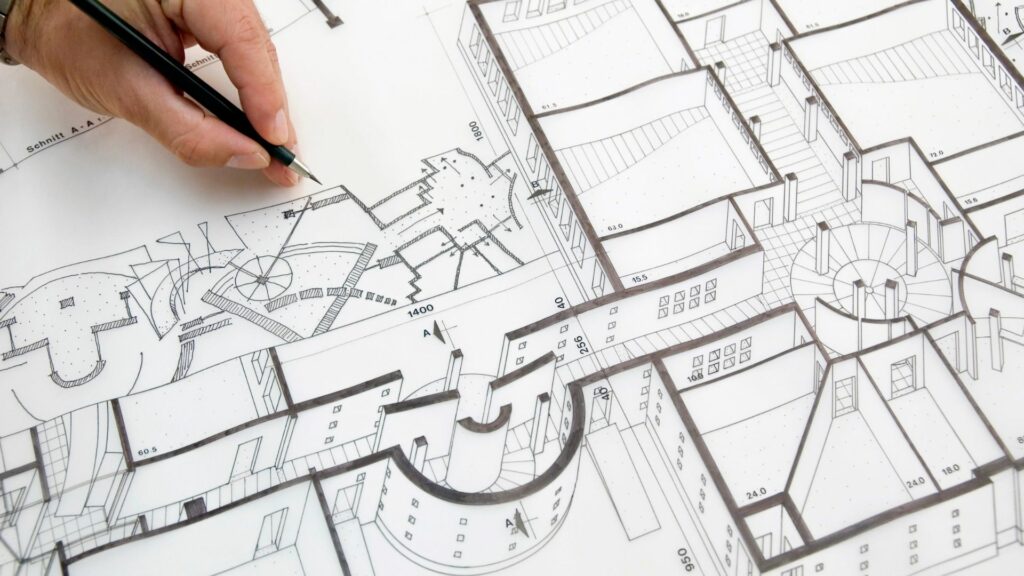
Meaningful Materials: Stone, Wood and Mountainside Construction
Materials in the Alps consist of stone, wood clay and limestone. They are regional and representative of geographic differences, cultural distinctions and patterns of craftsmen over time. Stone is the mainstay of many structures – acquired from rivers, glaciers, from fields and meadows in the mountains. Wood comes from the trees in the forests that support villages in the mountains for centuries, noting specific trees per region, larch or spruce, as they’re stronger and age better than their counterparts. Patterns are learned over generations, stacked logs meant for straightforward designs or dry-stone walls without mortar boast for master’s minds in relative ease for apprentices and craftsmen. Therefore, it’s clear that materials bring about a sense of regionality as well: the Alps grow like this but generations of architects and builders before have ensured that these materials create a cohesive regional aesthetic with longevity for living. They support the spirit of the Alps, tough, utilitarian, part of the natural world and constructed by means of subsequently constructed crafts. Use today is just as applicable for cultural independence and consistent sensibility with nature.
The Layout of Public Spaces and Villages Reflects Architectural Style of the Alps
Beyond the buildings themselves an entire layout of a village demonstrates an architectural style of the Alps. Town squares, an emphasis on fountains, community bread ovens where all townspeople bake bread at once to have enough for the week, chapels with steeples and crosses often unite the town with a community sense and practical cultured sustainability of thought. Historically, before modernity took over, these areas were focal trading spots, communicative manners and cooperative efforts to survive in rough climates. Today these cooperative living spaces are spots for daily gathering or seasonal festivals and frequent interactions as they bring neighbors closer. Even pedestrian pathways are narrow to suggest walking over driving; therefore any village layout is compact with community elements that suggest a small lifestyle lacking independence but instead thriving on the benefits of community for a better quality of life.